Dental Bone Graftin Madrid
Advanced bone regeneration
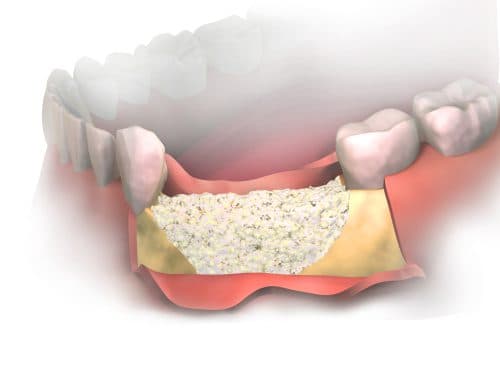
Dental bone grafting is an advanced bone regeneration procedure that restores lost bone volume so dental implants can be placed safely. At MAG Dental Madrid in Madrid, we use 3D digital planning and high-quality biomaterials to regenerate bone even in complex cases. It is indicated when bone lacks sufficient height or width — common in patients who lost teeth long ago or had advanced periodontitis.
What is a dental bone graft and when is it performed?
A bone graft adds material and stimulates new bone formation in areas where bone has been resorbed. Many patients ask whether dental bone regenerates on its own or how to regenerate bone naturally. While certain habits and nutrients can help maintain bone health, they cannot replace a graft when bone has already been lost — and there is no medication alone that solves insufficient volume. When bone is insufficient, grafting is one of the best options to enable implants.
At MAG Dental Madrid we specialize in full-mouth implant rehabilitations
— Dr. Alejandro Prieto
Types of dental bone graft
At our clinic we perform the four main techniques used in advanced bone regeneration:
Block graft
A solid block of bone — often from the patient — is placed and fixed with titanium screws. Ideal for large defects or significant loss of thickness.
Guided bone regeneration (GBR)
The area is filled with particulate graft material and covered with a membrane to maintain space and allow bone to regenerate without displacement.
Maxillary sinus lift
Indicated when there is insufficient bone height in the posterior upper jaw.
Bone expansion
Used when the bone crest is very narrow, separating the walls to gain width.
Treatment process and recovery
What is the treatment process for patients without enough bone?
Initial 3D CBCT study
We analyze bone quantity and quality to determine the most suitable graft technique and plan the procedure with precision.
Graft technique selection
Depending on the bone defect, we choose block graft, guided bone regeneration, sinus lift, bone expansion — or specialized implants for patients with very little bone.
Graft surgery
The procedure is performed under local anesthesia or sedation. The graft is placed in the area to regenerate and stabilized with membranes or fixations as needed.
Integration and new bone formation
The graft acts as a scaffold for the body to produce its own bone. Bone regeneration and recovery usually takes between 3 and 6 months, depending on graft size and type.
Review and implant planning
Once the graft has consolidated, we confirm with imaging and proceed to plan dental implant placement with the stability required.
Materials used in bone regeneration
We use different options depending on each case:
- Autologous bone (from the patient)
- Allograft (human bone bank)
- Xenograft (highly purified animal origin)
- Synthetic biomaterials
We also perform plasma-assisted bone regeneration, a technique that stimulates healing using growth factors from the patient's own blood, accelerating recovery and improving graft integration.
Recommendations after surgery
- Take prescribed medication (pain relievers and anti-inflammatories).
- Maintain a soft, cold diet during the first hours or days.
- Do not rinse during the first hours after surgery.
- Avoid intense exercise or physical exertion in the first days.
- Do not smoke, as it impairs healing and graft integration.
Advantages of dental bone grafting
Bone grafting offers functional and aesthetic benefits. The main advantages include:
- Allows dental implants where it was not previously possible — the treatment that makes implantology viable in patients with little bone.
- Restores lost bone volume, improving stability of future rehabilitation and ensuring long-lasting results.
- Improves facial anatomy, especially in patients with significant bone resorption, restoring support to lips and cheeks.
- Increases treatment predictability by providing a solid base for digital implant planning.
- Optimizes final aesthetics by allowing ideal implant position for a more natural result.
- Supports long-term oral health by helping prevent further bone resorption.
- Compatible with biological techniques such as plasma-assisted regeneration, which improve healing and can reduce recovery time.
Limitations and contraindications
Although safe and widely used, some situations require caution or additional assessment:
- Uncontrolled systemic diseases (such as poorly controlled diabetes) that may compromise healing.
- Coagulation disorders or severe healing problems requiring prior medical assessment.
- Heavy smoking, which impairs graft integration and increases failure risk.
- Poor oral hygiene, which increases infection risk and reduces predictability.
- Advanced cases requiring more complex surgery or specialized implants such as zygomatic or screwless implants when bone cannot be regenerated sufficiently.
- Active periodontitis, which must be fully treated before a graft.
In advanced cases we may recommend specialized implants such as zygomatic implants.
Price of dental bone grafting
The price depends on graft type, technique used, and whether plasma is employed. In Madrid, bone regeneration typically ranges between €300 and €1,500, depending on case complexity.
Patient testimonials
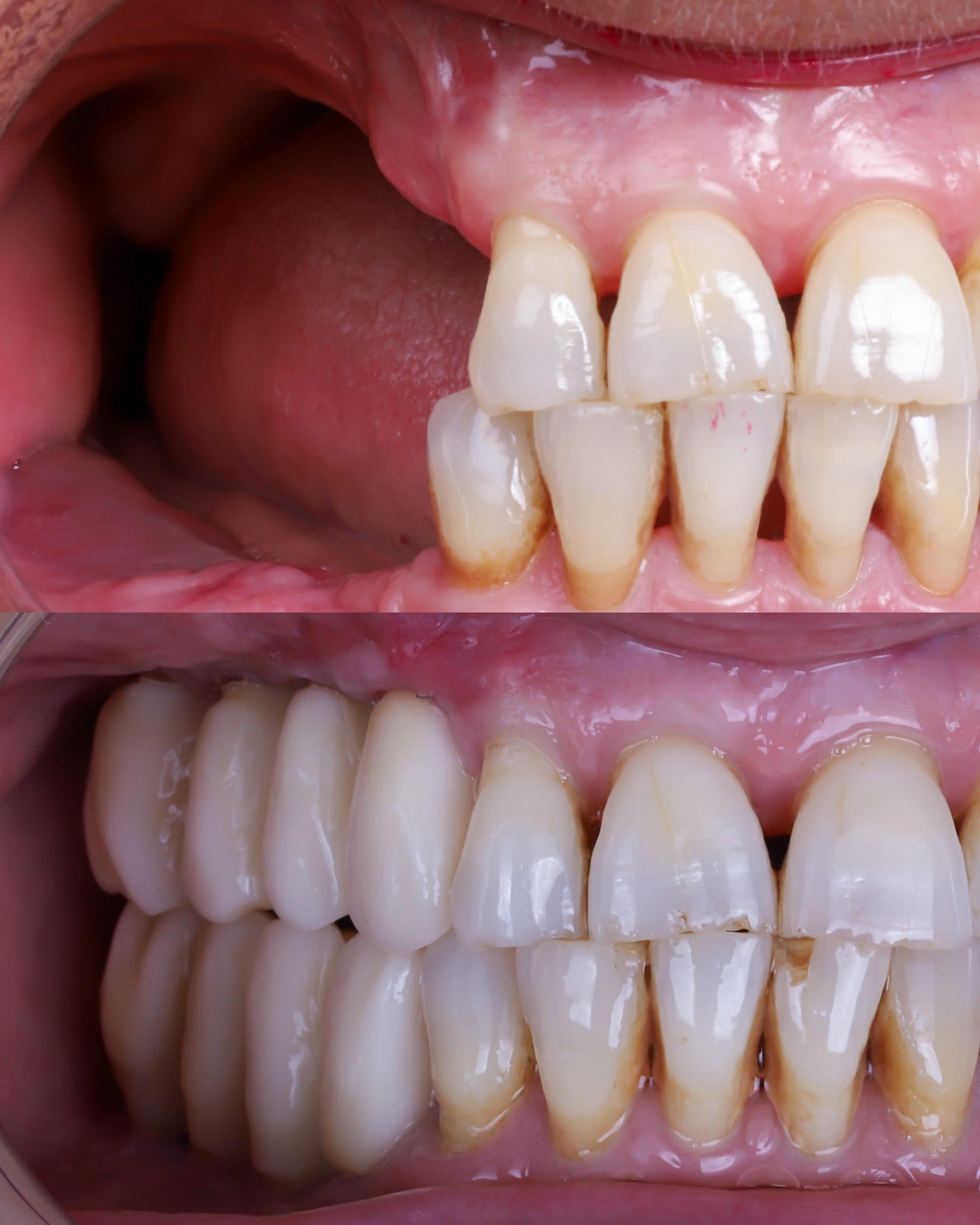
Patients who undergo dental bone grafting often find the procedure simpler and less uncomfortable than expected. They especially value being able to have implants after years of thinking they did not have enough bone. They note that recovery is progressive and manageable, that swelling subsides quickly when following instructions, and that the final result restores function, stability, and natural aesthetics.
Many highlight the peace of mind from digital planning, clear explanations from the team, and confidence that the graft has restored a solid bone base for a fixed, long-lasting rehabilitation.
“After years without being able to have implants due to lack of bone, the graft at MAG Dental Madrid gave me back the possibility of fixed teeth.”
“Plasma-assisted regeneration sped up my recovery and the result was better than expected.”
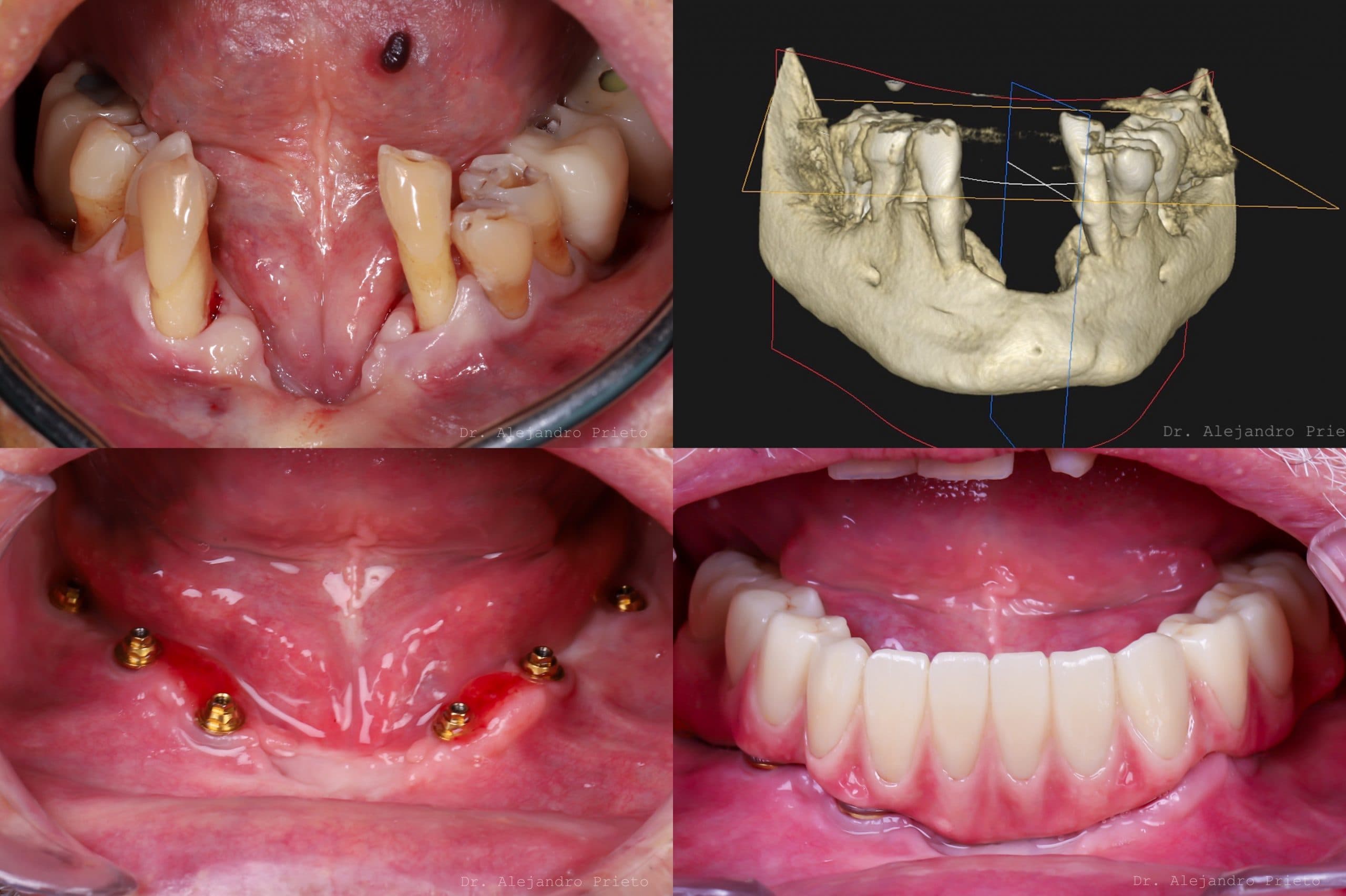
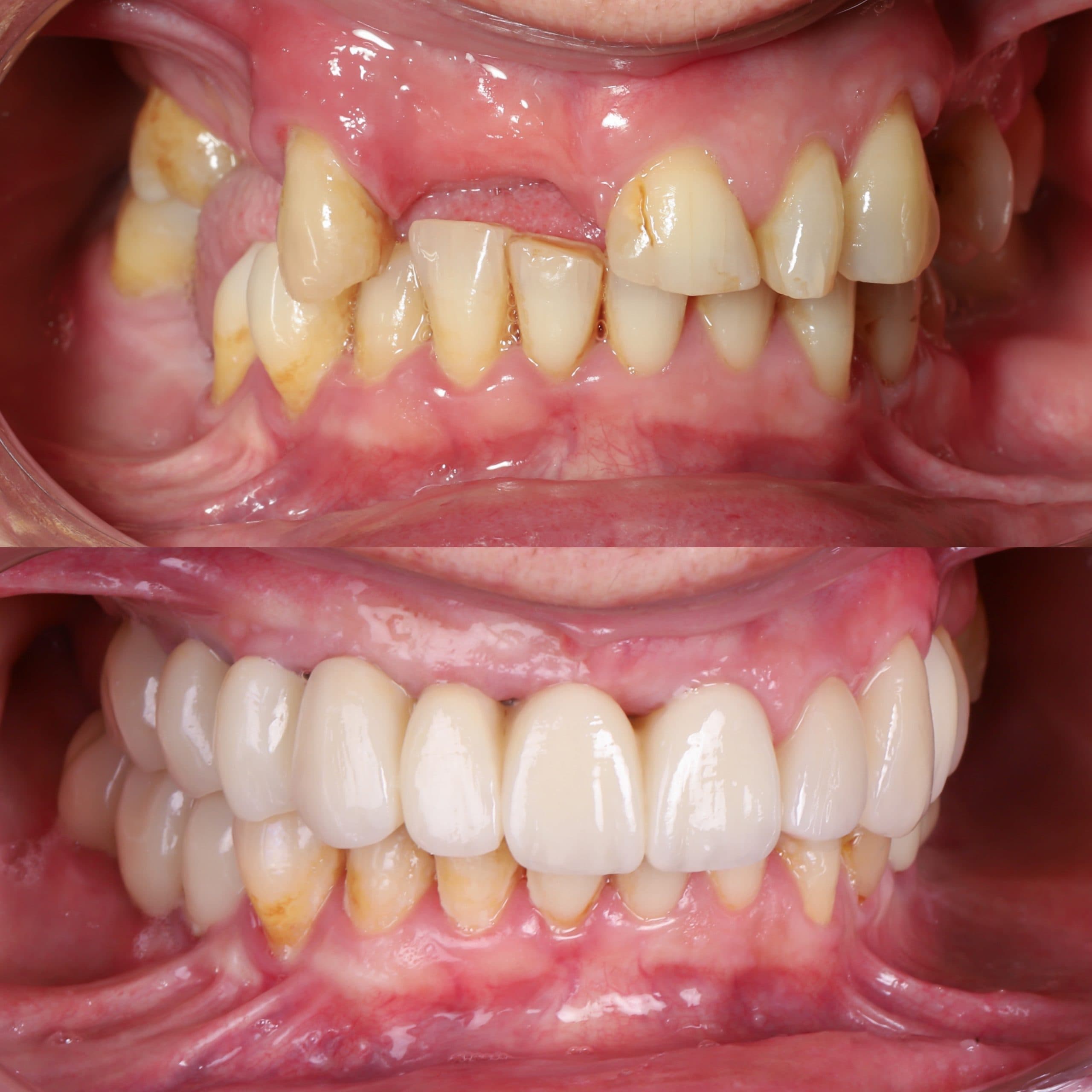
“We have solved hundreds of complex cases for patients with insufficient bone for dental implants. We will study your case to give you the safest solution — we offer a lifetime warranty on dental implants.”
Meet the team
MAG Dental Madrid
Multidisciplinary team
At MAG Dental Madrid we have a multidisciplinary team specializing in bone regeneration and implant placement in patients with loss of bone volume.
The team is led by Dr. Alejandro Prieto, an internationally renowned implant surgeon, expert in advanced bone regeneration and full-mouth rehabilitations in complex cases.
Our goal: natural, stable, and long-lasting results for every patient.
Transformation stories
Dental implant treatment
If you have ever been told your case has no solution, at MAG Dental Madrid we push the limits of dentistry to offer the answer you were looking for.
Frequently asked questions
A dental bone graft typically takes between 3 and 6 months to heal and consolidate enough to place a dental implant. Recovery depends on three key factors:
- Type of graft (autologous, allograft, xenograft, or synthetic).
- Size of the bone defect to be regenerated.
- Patient health, especially healing, hygiene, and not smoking.
The initial inflammation phase usually lasts 48–72 hours, and most patients return to normal routine in less than a week, but real bone consolidation requires several months to ensure stability and implant success.
A dental bone graft is not painful during the procedure, as it is performed under local anesthesia or sedation. After surgery, mild discomfort, swelling, and sensitivity for the first few days are normal and easily controlled with prescribed anti-inflammatories.
Typically:
- Inflammation peaks at 24–48 hours.
- Clear improvement from day three.
- Functional recovery in 5–7 days.
Intense or persistent pain is uncommon and should be evaluated as it may indicate infection or healing problems.
Although safe, possible risks include:
- Infection or prolonged inflammation
- Persistent pain that does not improve with medication
- Bleeding or bruising
- Graft integration failure
- Maxillary sinus perforation during sinus lifts
- Temporary nerve alterations such as numbness
Main risk factors include poor hygiene, smoking, uncontrolled systemic diseases (such as diabetes), excessive pressure on the area, and low-quality materials. In expert hands, complication rates are low.
The main disadvantage is that it requires additional surgery and waiting time before implants can be placed. Other limitations include possible discomfort and swelling in the first days, risk of infection or integration failure, need for very strict hygiene during recovery, and it is not suitable for all patients — especially those with uncontrolled disease or heavy smoking.
In Spain, the price depends on defect size and technique. Common ranges:
- Simple or moderate graft: €200 – €600
- Guided bone regeneration / graft with membrane: €350 – €900
- Maxillary sinus lift: €360 – €1,200+ depending on complexity
When combined with an implant, complete treatment is often €1,500 to over €2,000 per tooth. Each case requires a 3D CBCT study for an accurate quote.
During the first hours and days:
- Do not rinse or spit
- Do not touch the area with your tongue or fingers
- Do not smoke or vape
- Do not do intense exercise
- Avoid hot or hard foods
- Follow a soft, cold diet
- Do not drink through a straw
These measures protect the clot and prevent graft displacement or contamination.
Most patients notice clear pain improvement from day two or three. Inflammation peaks at 48 hours, and the area is usually stable with no significant discomfort in less than a week. Intense pain beyond this period is uncommon and should be reviewed.
Bone graft rejection occurs when the graft does not integrate correctly. Common symptoms include:
- Intense pain that does not improve over days
- Swelling or redness that increases rather than decreases
- Discharge, bad odor, or pus
- Fever or general malaise
- Graft mobility or feeling of instability
- Gum color change or recession
If any of these signs appear, the area should be reviewed immediately to avoid complications and assess whether the graft must be removed and regeneration repeated once healthy.
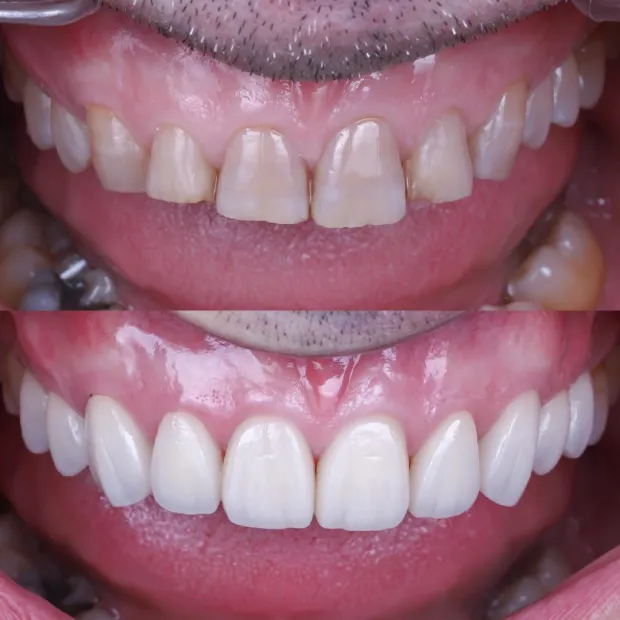
See the transformation
Smile image changes are planned with care and nuance, for natural results that preserve overall balance and facial harmony.
View more stories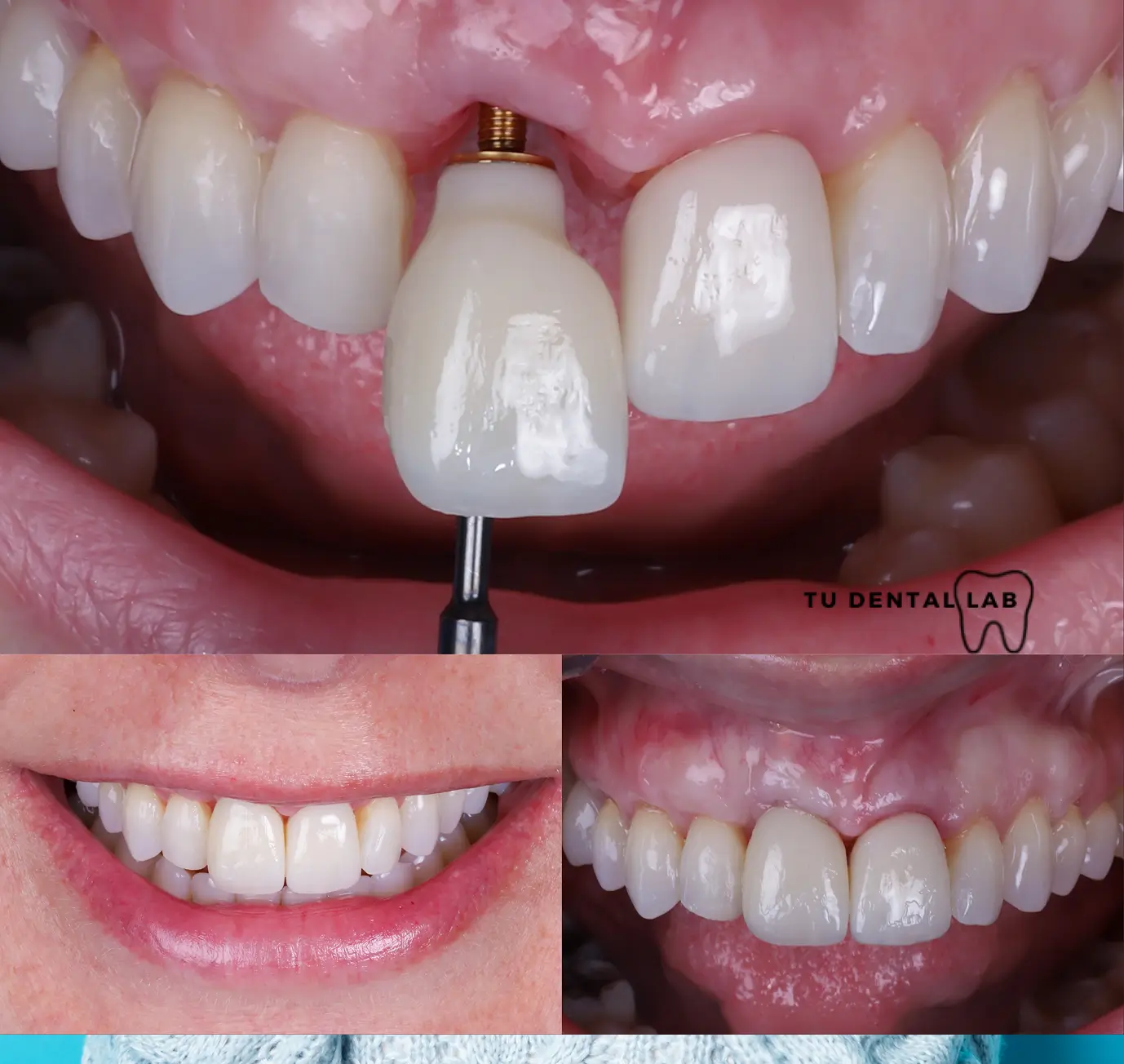
Discover the difference
At MAG Dental Madrid we combine art, technology, and maximum precision to design unique, authentic, and fully personalized smiles.
Book your appointment